
Dutch Ovens & Vegan Food: A Perfect Match
The dutch oven is back in style, and for good reason. It offers a simpler, more flavorful way to cook. For plant-based food, this is especially good news. A dutch oven distributes heat evenly and holds moisture, which helps bring out deep flavors from vegetables, beans, and plant proteins.
Originally made for cooking over open fires, the dutch oven has come a long way. These heavy pots, usually cast iron, are great for braising, slow-cooking, and baking. This is a big help for vegan cooking, where building flavor layers is important for satisfying meals.
The beauty of a dutch oven lies in its simplicity. It's a true one-pot wonder, minimizing cleanup and maximizing flavor. Forget constantly monitoring your dish; the thick walls and tight-fitting lid create a self-basting environment, allowing ingredients to simmer gently and meld together beautifully. It's more than just cookware; it’s an invitation to slow down and savor the process of creating something delicious.
More people are cooking at home and looking for comfort food, which has helped the dutch oven make a comeback. Food connects us, and a dutch oven feels comforting. It's kitchen gear that feels traditional, linking us to the past. It's a pot for making meals that are good for both body and soul.
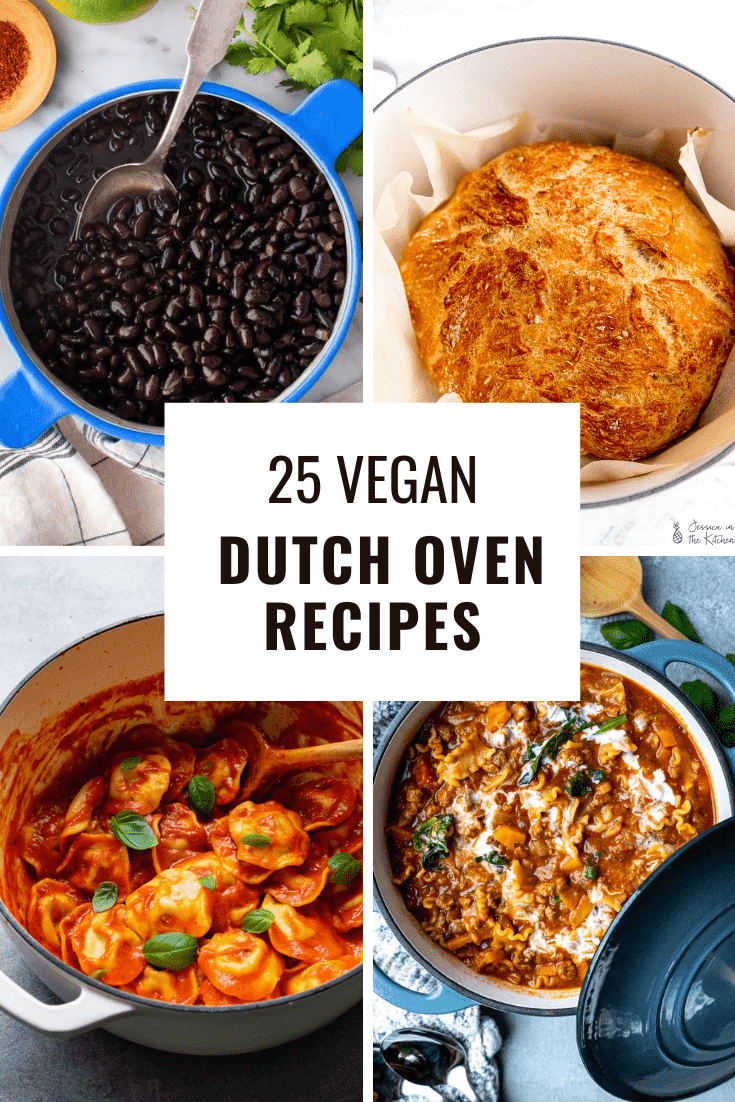
12 Vegan Comfort Food Recipes
Here are the recipes. These aren't just any vegan recipes; they're comfort food recipes made to shine in a dutch oven. Each one uses the pot's strengths for great flavor and texture. Cook times are estimates, and difficulty is rated easy, medium, or hard.
Vegan Chili (Easy, 45 mins): This isn't your average chili. The dutch oven allows for a long, slow simmer, intensifying the flavors of the beans, tomatoes, and spices. It’s a guaranteed crowd-pleaser, especially on a cold evening.
Lentil Shepherd’s Pie (Medium, 1 hour 30 mins): A hearty and warming classic, reimagined with lentils. The dutch oven provides even heat for a perfectly cooked lentil base, topped with a creamy mashed potato layer. It’s pure comfort in a pot.
Hearty Vegetable Stew (Easy, 60 mins): Packed with seasonal vegetables and simmered in a flavorful broth, this stew is a celebration of simple ingredients. The dutch oven ensures every vegetable is tender and infused with flavor.
Moroccan Tagine (Medium, 1 hour 45 mins): Transport your taste buds to Morocco with this fragrant tagine. The dutch oven’s ability to retain moisture is crucial for achieving the tender, flavorful stew characteristic of this dish. It’s a little more involved, but worth every minute.
Vegan Pot Roast (Medium, 2 hours): Yes, you can have a "pot roast" without the meat! Seitan or hearty mushrooms take center stage, braised in a rich vegetable broth until incredibly tender. This is a showstopper.
Creamy Tomato Soup (Easy, 40 mins): Forget canned soup. This recipe uses roasted tomatoes for a depth of flavor you won’t believe. The dutch oven allows for gentle simmering, resulting in a velvety smooth texture.
Vegan Mac and Cheese (Easy, 30 mins): A plant-based take on a classic. The dutch oven helps create a creamy, cheesy sauce that coats every noodle perfectly. It’s a guaranteed hit with kids and adults alike.
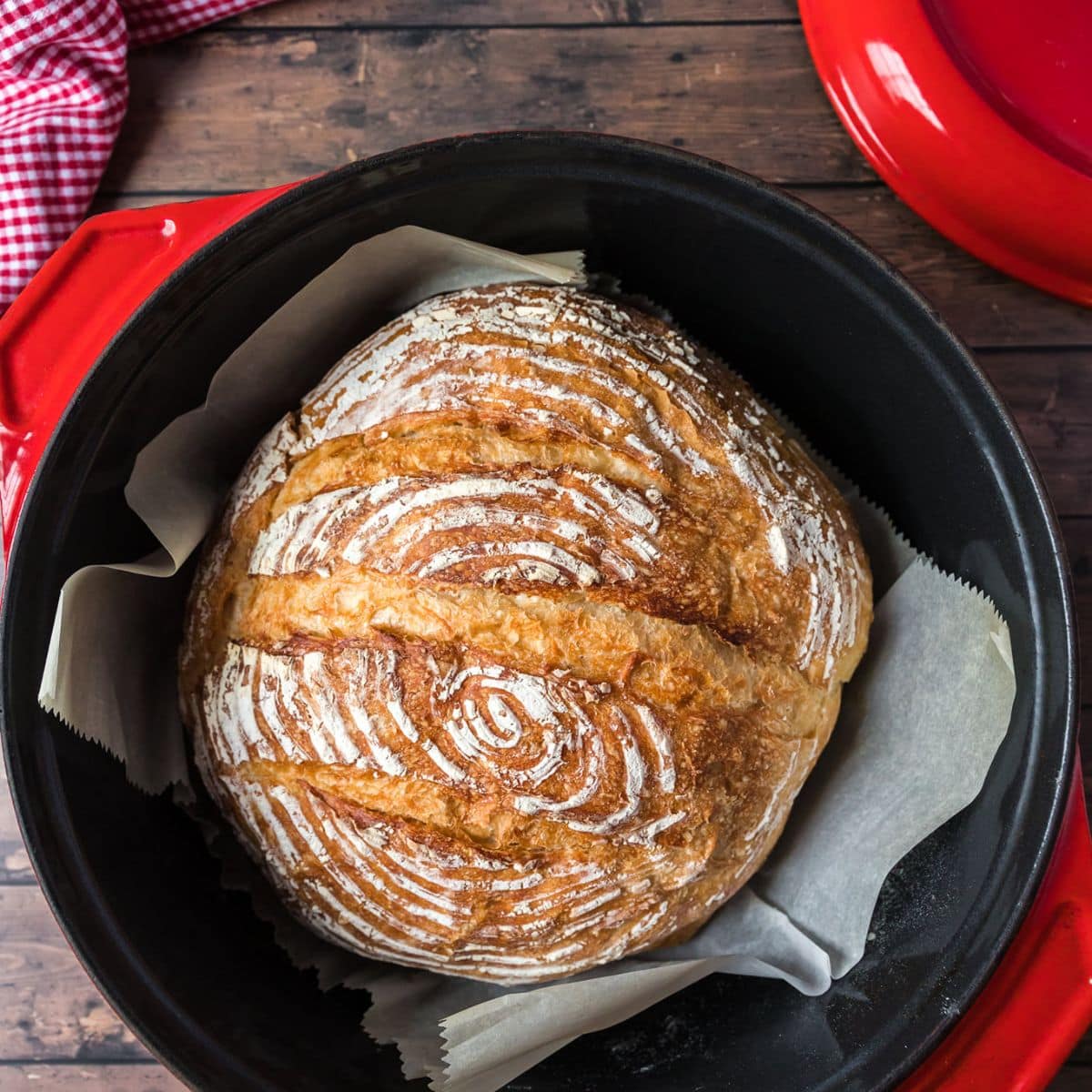
No-Knead Bread (Medium, 3 hours - mostly inactive): The dutch oven is a secret weapon for achieving a beautifully crusty loaf of bread. The trapped steam creates a perfect baking environment. It’s surprisingly easy, despite the long rise time.
Apple Crumble (Easy, 50 mins): Who says crumble needs an oven? A dutch oven can deliver a perfectly baked crumble with a golden-brown, crispy topping. It’s a cozy dessert that’s perfect for any occasion.
Vegan Paella (Medium, 1 hour 15 mins): This vibrant Spanish rice dish comes together beautifully in a dutch oven. The even heat distribution ensures that the rice is cooked perfectly and the vegetables are tender-crisp.
Black Bean Soup (Easy, 45 mins): A smoky, flavorful soup that’s both hearty and healthy. The dutch oven allows for a slow simmer, developing a rich, complex flavor. Top with avocado and a squeeze of lime for the perfect finish.
Chocolate Lava Cake (Medium, 35 mins): Individual lava cakes baked directly in the dutch oven. The even heat creates a molten center and a perfectly baked exterior. A decadent treat to end any meal.
Dutch Oven Material: Enameled vs. Bare Cast Iron
Choosing a dutch oven means understanding the differences between enameled and bare cast iron. Both have pros and cons, and the best choice depends on how you cook. Bare cast iron needs seasoning – baking oil into the surface for a natural non-stick coating – and can rust if not cared for. It reacts with acidic foods like tomatoes, which can give a metallic taste and remove the seasoning.
Enameled cast iron has a porcelain enamel coating. This means no seasoning is needed, and it's non-reactive, so you can cook anything without worrying about flavors or rust. However, enamel can chip, and enameled dutch ovens usually don't get as hot as bare cast iron.
undefined
For vegan cooking, the reactivity of bare cast iron is a consideration, especially when working with acidic ingredients. While a well-seasoned pot can mitigate this, enameled cast iron offers peace of mind. Ultimately, both types can deliver delicious results, and it comes down to personal preference and how much effort you’re willing to put into maintenance.
- Bare Cast Iron: Pros - Excellent heat retention, ideal for searing, durable, can last a lifetime. Cons - Requires seasoning, prone to rust, reactive with acidic foods.
- Enameled Cast Iron: Pros - No seasoning required, non-reactive, easy to clean, available in various colors. Cons - Enamel can chip, generally more expensive, may not reach as high temperatures.
Enameled vs. Bare Cast Iron Dutch Ovens: A Comparison
| Criteria | Enameled Cast Iron | Bare Cast Iron |
|---|---|---|
| Ease of Cleaning | Excellent | Fair |
| Reactivity with Acidic Foods | Excellent | Poor |
| Seasoning Requirements | None | Essential |
| Heat Retention | Excellent | Excellent |
| Cost | Generally Higher | Generally Lower |
| Cooking Versatility (Baking, Searing, etc.) | Good | Excellent |
| Maintenance | Low | High |
Illustrative comparison based on the article research brief. Verify current pricing, limits, and product details in the official docs before relying on it.
Mastering Dutch Oven Heat Control
Controlling the heat is paramount when cooking with a dutch oven. These pots retain heat exceptionally well, which is a benefit, but it also means you need to be mindful of preventing scorching. Starting with a lower heat setting than you might typically use is always a good idea. Patience is key.
The type of heat source matters. Gas stoves offer more immediate control, allowing you to adjust the flame quickly. Electric stoves take longer to heat up and cool down, so you’ll need to be more proactive in adjusting the temperature. Induction cooktops provide precise temperature control, but require a dutch oven with a magnetic base.
Preheating the dutch oven properly is essential. Place it over medium-low heat for 5-10 minutes before adding any ingredients. This ensures even heat distribution and prevents food from sticking. A good test is to sprinkle a few drops of water into the pot; they should sizzle and evaporate quickly.
Adjusting the heat during different stages of cooking is crucial. Use higher heat for searing vegetables or browning plant-based proteins, then reduce the heat to a simmer for slow cooking and braising. Don’t be afraid to lift the lid occasionally to check on the progress and adjust the heat as needed. Remember, a gentle simmer is your friend.
Beyond the Basics: Recipe Standouts
Let’s dive deeper into a few of these recipes. The Vegan Pot Roast is a particularly impressive dish that truly showcases the dutch oven’s capabilities. The key to success is a good sear on the seitan or mushrooms. Heat some oil in the dutch oven over medium-high heat, then add the protein in batches, ensuring not to overcrowd the pot. Sear for 3-4 minutes per side, until deeply browned.
The No-Knead Bread is another standout. The dutch oven creates a steamy environment that results in a beautifully crusty loaf. After letting the dough rise for 12-18 hours, gently transfer it to a floured dutch oven. Cover and bake for 30 minutes, then remove the lid and bake for another 15-20 minutes, until golden brown. The steam is what creates that amazing crust.
Finally, the Hearty Vegetable Stew benefits immensely from the slow, even heat of the dutch oven. Don’t be afraid to experiment with different vegetables based on what’s in season. Roasting the vegetables before adding them to the stew adds another layer of flavor. Toss them with olive oil, herbs, and spices, and roast at 400°F (200°C) for 20-25 minutes.
Cleaning & Caring for Your Dutch Oven
Proper cleaning and care are essential for ensuring your dutch oven lasts a lifetime. For enameled cast iron, simply wash with warm soapy water and a non-abrasive sponge. Avoid harsh detergents or scouring pads, as they can damage the enamel. For bare cast iron, avoid soap whenever possible, as it can strip the seasoning.
To remove stubborn food residue, simmer water in the dutch oven for a few minutes, then use a wooden spoon to scrape away the stuck-on bits. For bare cast iron, after cleaning, dry the pot thoroughly and apply a thin coat of oil to prevent rust. Reheat the pot for a few minutes to help the oil polymerize and reinforce the seasoning.
Rust is the enemy of bare cast iron. If you notice any rust, scrub it away with steel wool, then re-season the pot. Enamel can chip, but minor chips don’t necessarily affect the functionality of the pot. Avoid dropping or banging the dutch oven to prevent further damage. A well-cared-for dutch oven is a legacy piece that can be passed down through generations.
- Cleaning Enameled Cast Iron: Warm soapy water, non-abrasive sponge.
- Cleaning Bare Cast Iron: Avoid soap, use warm water and a scrub brush, dry thoroughly, apply oil.
- Rust Removal: Scrub with steel wool, re-season.
Community Favorites & Inspiration
It’s inspiring to see what others are creating with their dutch ovens! Social media is full of examples of delicious vegan meals cooked in these versatile pots. Check out #dutchovenvegan on Instagram for a wealth of inspiration. People are using them for everything from hearty stews to decadent desserts, proving that the possibilities are endless. It’s a testament to the enduring appeal of this classic cookware.
No comments yet. Be the first to share your thoughts!