
Top Dutch Oven Picks at a Glance
After extensive testing of searing performance, heat retention, and acid resistance, three models stand out for different needs. The choice between cast iron and enameled cast iron comes down to maintenance tolerance and cooking style.
| Rank | Model | Material | Weight | Price Range |
|---|---|---|---|---|
| 1 | Le Creuset Signature 5.5-Quart | Enameled Cast Iron | 12.5 lbs | $$$ |
| 2 | Lodge 6-Quart Essential Enamel | Enameled Cast Iron | 11.8 lbs | $$ |
| 3 | Lodge Cast Iron 5-Quart | Cast Iron | 13.5 lbs | $ |
Best Overall: Le Creuset Signature Enameled Cast-Iron Dutch Oven
Le Creuset remains the benchmark for enameled cast iron. Its tight-fitting lid traps moisture effectively, making it superior for slow braising and stewing. The enamel interior resists acidic ingredients like tomatoes and wine without reacting, unlike bare cast iron. While it is heavier and more expensive, the durability and consistent heat distribution justify the cost for frequent cooks. It handles high-heat searing with minimal sticking and cleans up easily.
Best Budget: Lodge 6-Quart Essential Enamel Dutch Oven
Lodge offers the closest performance to premium brands at a fraction of the price. The enamel coating is slightly less smooth than Le Creuset’s, but it still provides good acid resistance and easy cleaning. It retains heat well, though it takes slightly longer to heat up and cool down. For home cooks who want the convenience of enamel without the high price tag, this is the most practical choice.
Best Traditional: Lodge Cast Iron 5-Quart Dutch Oven
For those willing to maintain seasoning, bare cast iron offers unmatched durability and heat retention. It develops a natural non-stick surface over time and can handle open flames or campfires. The trade-off is weight and maintenance; it requires drying immediately after washing and occasional oiling to prevent rust. It is the best option for searing steaks and baking bread due to its superior thermal mass.

Cast iron vs enameled: which is best
The choice between bare and enameled cast iron comes down to how you cook and how much maintenance you want. Both materials offer exceptional heat retention and even cooking, but their surfaces behave very differently under heat and acid.
Bare cast iron: durability and seasoning
Bare cast iron relies on a polymerized oil layer called seasoning to create a natural non-stick surface. This layer improves with use, but it requires regular care. You cannot cook highly acidic foods like tomato sauce or wine reductions for long periods, as the acid will break down the seasoning and impart a metallic taste. Cleaning involves avoiding soap (or using minimal soap) and drying immediately to prevent rust.
The upside is unmatched searing capability. Because the surface is porous and matte, it excels at browning meats and developing fond. It is also virtually indestructible; you can use metal utensils, scrub it with steel wool, and even re-season it if damaged. It is heavier and more reactive than enameled options, but it lasts generations with basic upkeep.
Enameled cast iron: convenience and color
Enameled cast iron is coated with a glass-like porcelain layer fused to the metal at high temperatures. This creates a non-reactive surface that can handle acidic ingredients without affecting flavor or damaging the pot. You can simmer tomato sauces, braises with wine, or citrus-based dishes without worry. Cleaning is straightforward; most residues wipe away easily, and the pots are dishwasher safe.
However, the enamel is brittle. Dropping a heavy lid or hitting the pot with a metal spoon can chip the coating, exposing the iron underneath to rust. You should use wooden or silicone utensils to preserve the finish. While it sears well, it does not develop the same level of natural non-stick patina as bare cast iron, so you may need to rely more on fats and proper preheating to prevent sticking.
Comparison table
| Feature | Bare Cast Iron | Enameled Cast Iron |
|---|---|---|
| Acid Resistance | Low (breaks down seasoning) | High (glass coating) |
| Non-Stick | Improves with use | Moderate (requires fat/heat) |
| Maintenance | High (dry immediately, re-season) | Low (dishwasher safe) |
| Durability | Virtually indestructible | Chips if dropped or struck |
| Best For | Searing, frying, rustic cooking | Braising, soups, acidic dishes |
Best enameled dutch ovens for braising
Enameled cast iron combines the heat retention of raw iron with a glass-like coating that resists acidic ingredients like tomatoes and wine. This makes it the preferred vessel for wet cooking methods such as braising, stewing, and slow-simmering. Unlike bare cast iron, the enamel surface does not require seasoning and is generally dishwasher safe, though hand washing preserves the finish longer.
The Le Creuset Signature Enameled Cast-Iron 5½-Quart Round Dutch Oven remains the benchmark. Both Serious Eats and Wirecutter rank it as the top choice due to its exceptional durability and even heat distribution. The enamel coating is thick and vitreous, preventing chipping during normal use. It handles high-heat searing well before transitioning to a low simmer, making it a versatile workhorse for complex dishes.
Staub is the primary competitor, known for its matte black interior and self-basting lid spikes. These spikes condense steam and drip it back onto the food, keeping braises moist. While Staub excels at moisture retention, some testers note that the black interior can make it harder to monitor browning compared to Le Creuset’s lighter colors. Both brands are heavy, but the weight ensures stability on the stovetop and in the oven.
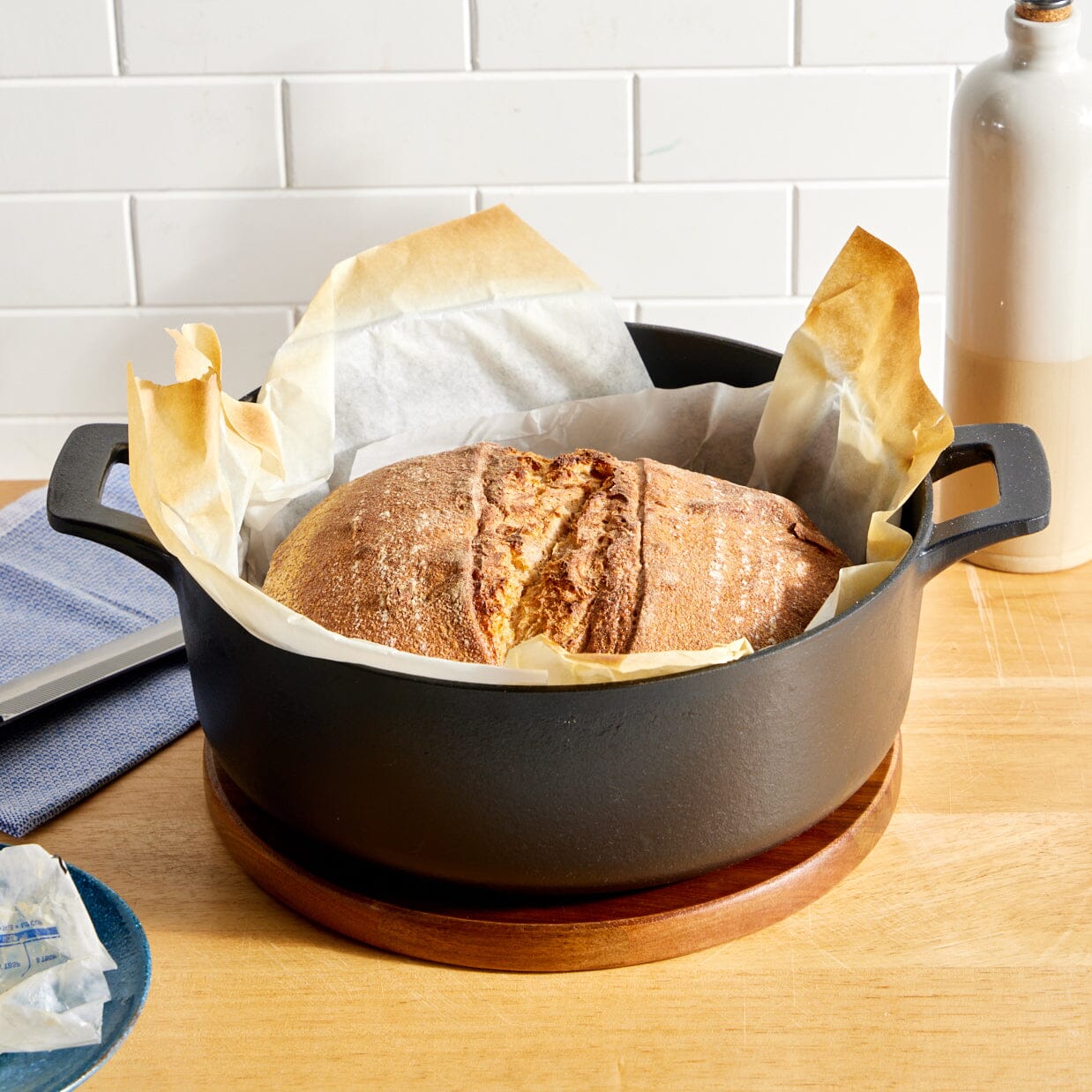
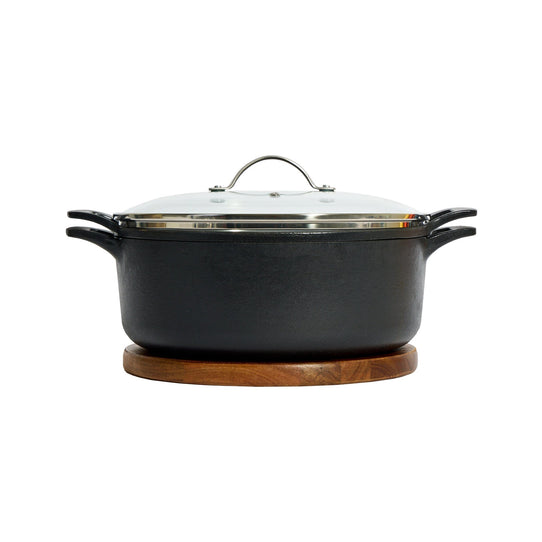
For those seeking a modern alternative, the Milk Street Widebody Dutch Oven offers a shallower, wider profile. This shape increases surface area, which can improve searing and reduce cooking time for certain cuts of meat. It includes a griddle lid and trivet, adding versatility for multi-step recipes.


As an Amazon Associate, we may earn from qualifying purchases.
Best bare cast iron dutch ovens
Bare cast iron remains the workhorse of the kitchen, prized for its unmatched durability and ability to reach searing temperatures that enameled pots struggle to match. Unlike enameled options, bare cast iron develops a natural nonstick patina over time, though it requires regular seasoning and hand-washing to maintain. This section covers the top bare cast iron picks, focusing on the heavy hitters that dominate testing data from Serious Eats and Wirecutter.
Lodge 6-Quart Essential Cast Iron Dutch Oven
The Lodge 6-Quart is the standard-bearer for value. It offers massive capacity for the price, making it ideal for large families or batch cooking. While it is heavier than many competitors, its heat retention is exceptional, holding steady temperatures for slow braises and stews. Testing shows it performs well for searing meats, though the slightly rougher finish can make food release trickier until the seasoning is well-established.
Made-In Cast Iron Dutch Oven
Made-In has gained a cult following for its smoother finish and lighter weight compared to traditional Lodge models. The interior is pre-seasoned with a blend of oils that creates a more reliable nonstick surface out of the box. Its tighter-fitting lid, often featuring a self-basting design, helps retain moisture during long cooks. It is a favorite among serious home cooks who want the performance of bare cast iron without the excessive heft.
Tramontina Enameled Cast Iron Dutch Oven (Bare Interior Option)
While often associated with enamel, Tramontina also produces high-quality bare cast iron versions. These pots feature a polished interior that requires less initial seasoning than Lodge. The handles are designed for better grip and heat management, addressing one of the common complaints about traditional cast iron. It strikes a balance between the rustic durability of bare iron and the user-friendly design of modern cookware.


As an Amazon Associate, we may earn from qualifying purchases.
How to choose the right size
Selecting the correct volume is the single most common mistake buyers make. A Dutch oven that is too small crowds ingredients, preventing proper heat circulation and leading to steamed rather than seared food. One that is too large wastes energy and makes stirring difficult. The goal is to match the pot's capacity to your typical household size and cooking habits.
For most households of two to four people, a 5.5- to 6-quart Dutch oven is the ideal standard. This size handles a whole chicken or a standard batch of stew without overcrowding. As tested by Serious Eats, the Le Creuset 5.5-Quart Round Dutch Oven "aced our tests" for both searing and stewing, proving that this mid-range volume offers the best balance of versatility and heat retention for everyday use [src-serp-1].
Larger families or those who frequently cook in bulk should opt for 7-quart models. These pots accommodate larger roasts and double batches of soup. However, be aware that increased volume adds significant weight. A 7-quart cast iron pot can weigh over 15 pounds when empty, making it cumbersome for daily use or storage. If you primarily cook for one or two people, a 3- to 4-quart pot is sufficient for sides, sauces, and small batches, but it will struggle with whole roasts.
Consider your stovetop and oven space as well. Larger ovens accommodate 7-quart pots easily, but standard ranges may feel cramped. Additionally, enameled cast iron is more expensive per quart than bare cast iron, so buying the smallest pot that meets your needs can save money without sacrificing performance.
Care and maintenance tips
Proper cleaning and storage are the primary differentiators between enameled and bare cast iron. While both materials are durable, their maintenance routines diverge significantly after cooking.
Cleaning bare cast iron
Bare cast iron relies on its polymerized seasoning layer for non-stick performance and rust prevention. According to testing data from Serious Eats, you should avoid harsh detergents that strip this layer. Instead, clean with hot water and a stiff brush or chainmail scrubber immediately after use. Dry the pot thoroughly on the stovetop over low heat, then apply a thin coat of neutral oil to protect the surface.
Cleaning enameled cast iron
Enameled cast iron features a glass-like coating that is non-reactive and non-porous. Wirecutter notes that this surface can handle mild dish soap and is more forgiving with acidic foods. However, it is susceptible to chipping if struck against hard surfaces. For stuck-on food, soak the pot in warm, soapy water before gently scrubbing with a non-abrasive sponge. Avoid steel wool, which can scratch the enamel finish.
Storage best practices
Proper storage prevents damage and maintains the integrity of both types. Store your Dutch oven in a dry place to prevent rust on bare iron. If stacking pots, place a paper towel or cloth between them to protect the enamel from chipping and the seasoning from abrasion. Always ensure the lid is slightly ajar or removed to allow air circulation, preventing moisture buildup that can lead to mold or rust.
No comments yet. Be the first to share your thoughts!