Dutch oven budget: what to expect at every price point
You don’t need to spend a fortune to get a workhorse oven, but the budget range requires a slightly different approach to selection. In the $30 to $50 range, Lodge is the undisputed leader. Their 6-Quart Essential Enamel Cast Iron Dutch Oven is a solid entry point that handles searing and stewing competently. The trade-off here is weight and finish consistency. The enamel can feel thinner, and the lid may not seal as tightly as premium models, meaning you’ll lose a bit more moisture during long braises. It’s a functional tool, not a heirloom.
Mid-range options ($60 to $90) typically offer better enamel durability and slightly better heat distribution. Brands like Cuisinart and Farberware often sit here. They bridge the gap between utility and aesthetics, offering smoother handles and more reliable lid fits. If you’re baking bread, the tighter seal in this tier makes a noticeable difference in crust development. However, they rarely match the lifetime warranty or resale value of the top-tier brands.
At the premium end ($150+), you’re paying for Le Creuset or Staub. These ovens feature thicker enamel that resists chipping and handles thermal shock better. The lids are engineered to condense and return moisture efficiently, which is critical for tenderizing tough cuts of meat. While the Lodge is a great starter, the premium ovens are investments in consistency. For most home bakers, the mid-range offers the best value, but if you cook daily, the premium tier pays for itself in longevity.


As an Amazon Associate, we may earn from qualifying purchases.
Shortlist real options
Finding the right dutch oven means balancing heat retention, lid fit, and enamel durability. We tested several models to separate marketing claims from actual performance. The following comparison highlights the strongest contenders for home baking and everyday cooking, focusing on specs that matter rather than color variety.
| Brand | Capacity | Material | Best For |
|---|---|---|---|
| Le Creuset | 5.5 qt | Enameled Cast Iron | Even heating and aesthetics |
| Staub | 5.5 qt | Enameled Cast Iron | Moisture circulation |
| Lodge | 6 qt | Essential Enamel | Budget-friendly durability |
| Overmont | 7 qt | Enameled Cast Iron | Large batches and sourdough |
Le Creuset remains the benchmark for enameled cast iron, offering superior heat distribution and a lid that seals moisture effectively. Staub takes a different approach with its black matte interior, which helps brown meats better and requires less oil. Both brands are heavy but built to last decades. For those on a tighter budget, Lodge’s Essential Enamel line offers similar performance at a lower price point, though the enamel may chip slightly faster under heavy abuse. Overmont has gained traction recently for offering larger capacities and robust construction without the premium price tag, making it a strong choice for families or frequent sourdough bakers.
When choosing, consider your typical cooking volume. A 5.5-quart size handles most family meals and loaves of bread comfortably. Larger 7-quart models are better for batch cooking or roasting whole chickens. Always check that the lid fits snugly; a poor seal leads to dry bread and uneven stews. The exterior enamel should be smooth to prevent staining, while the interior should be easy to clean without scrubbing abrasive pads.
Inspect the expensive parts
A Dutch oven is a significant investment, often costing hundreds of dollars. The enamel coating is the most vulnerable component, and damage here can render the pot unusable or unsafe. Before committing to a purchase, check these specific failure points to ensure you are buying a durable piece of cookware.
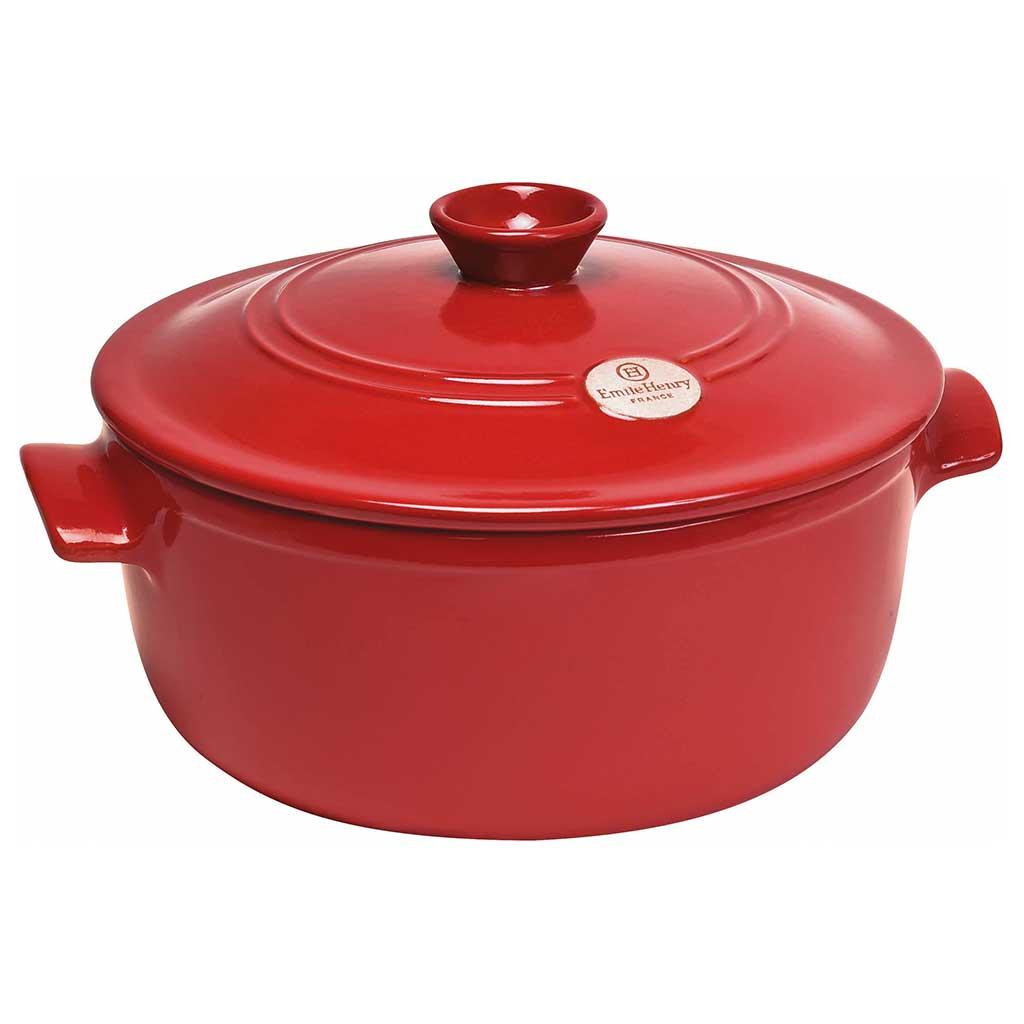
Place the pot on a flat surface. It should sit securely without rocking. A warped base leads to uneven heating and inefficient energy use, which is especially problematic for long braises or baking bread.
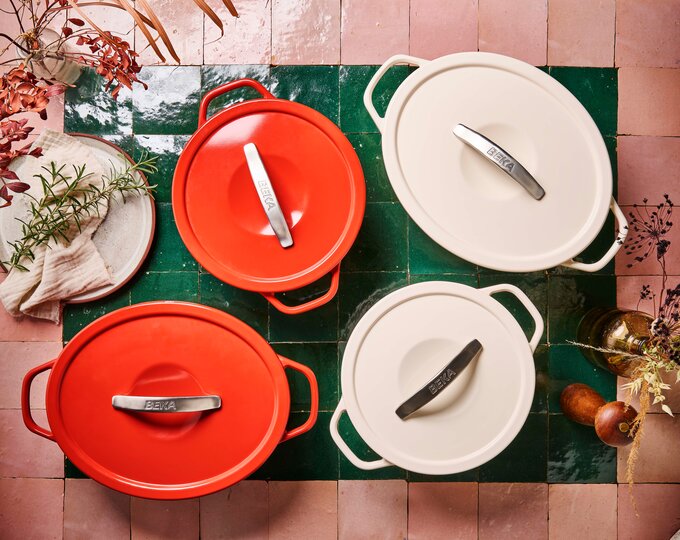
Run your finger along the inner rim and the bottom. Look for any hairline cracks or missing enamel specks. Even small chips can expose the cast iron underneath, leading to rust and potential flaking into your food over time.
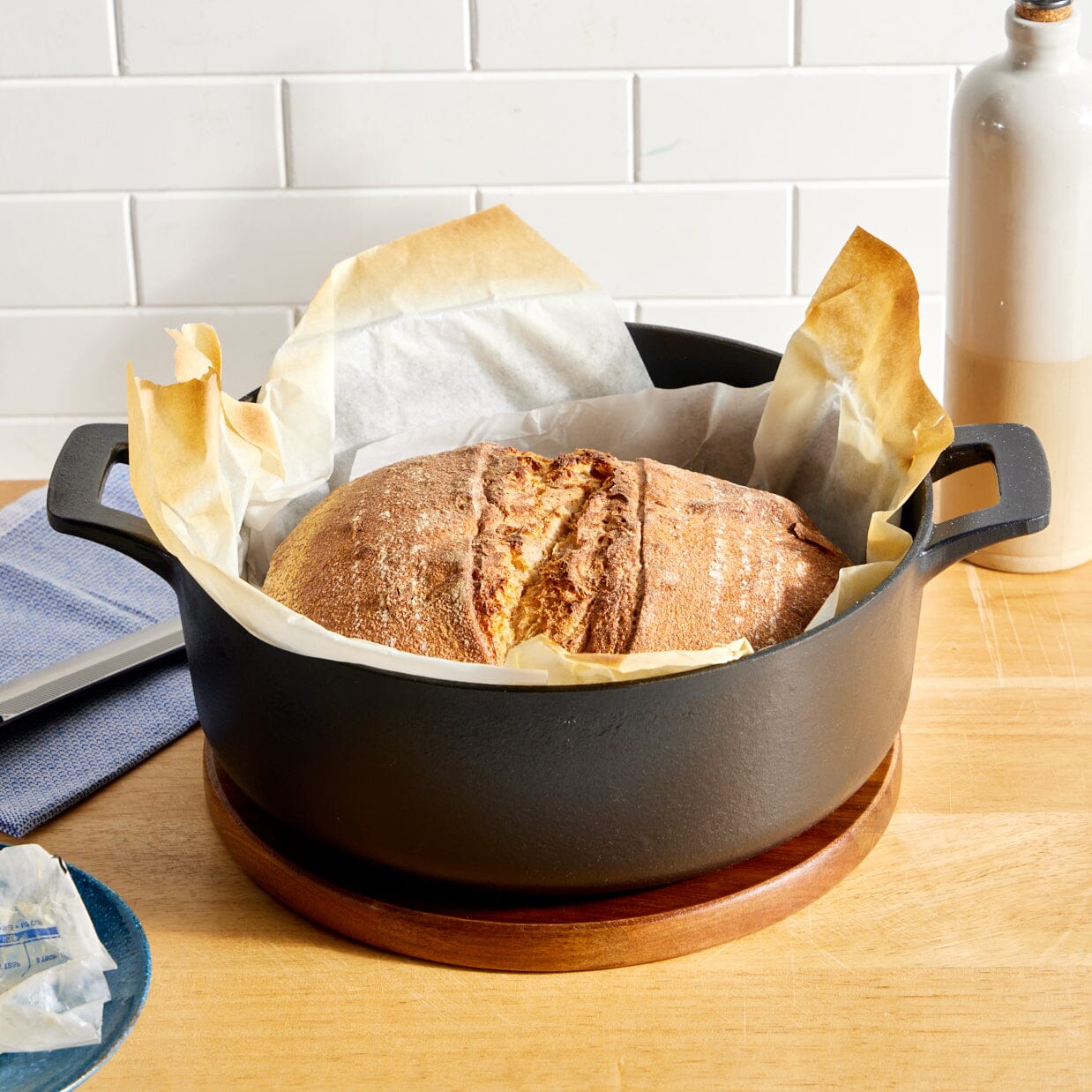
Place the lid on the pot. It should sit flush with minimal wobble. A tight seal is critical for retaining moisture during braising. If the lid is too loose, steam escapes, drying out your meat and vegetables.
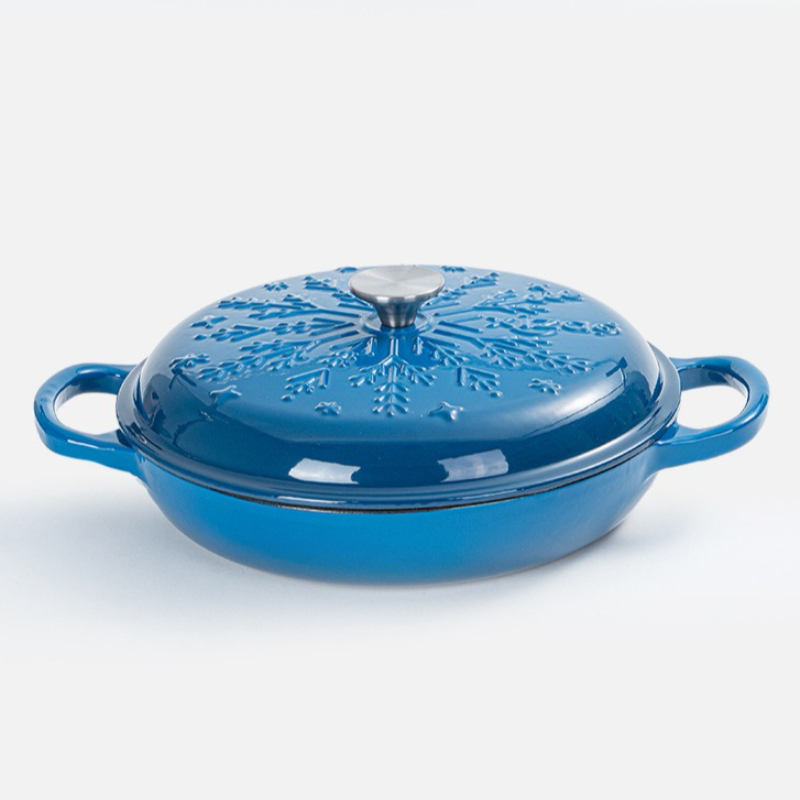
Check that side handles are riveted or cast securely and do not feel loose. For the knob, ensure it is firmly attached. Some cheaper enameled knobs can crack under high heat, while loose handles make transferring heavy pots dangerous.
Plan for ownership costs
A Dutch oven is a long-term investment, but the total cost of ownership varies significantly based on material and maintenance needs. While a basic enameled cast iron pot may seem affordable upfront, the real expense lies in the care required to prevent rust and maintain the finish.
Maintenance and Care
Enameled cast iron is low-maintenance compared to bare cast iron, but it isn't indestructible. Avoid thermal shock by never placing a hot pot directly into cold water. Use wooden or silicone utensils to prevent chipping the enamel, which can expose the iron underneath to rust. If you do encounter rust, it can often be removed with a paste of baking soda and water, but prevention is always easier than repair.
When a Cheap Buy Stops Being Cheap
Budget-friendly options often use thinner enamel and less precise casting. This can lead to uneven heating, which affects baking results, and a higher risk of chipping over time. If the enamel chips, the exposed iron can rust, ruining the pot. Investing in a reputable brand like Le Creuset or Staub often means better heat distribution and a more durable finish, reducing the likelihood of needing a replacement sooner.


As an Amazon Associate, we may earn from qualifying purchases.
Dutch oven: what to check next
Before you commit to a specific pot, it helps to know which brands actually hold up in daily use. The market is crowded with options, but a few names consistently earn their keep in home kitchens.
What brand of Dutch oven is the best?
Le Creuset remains the gold standard for enameled cast iron, offering superior heat distribution and durability that justifies the higher price tag. For raw cast iron, Lodge is the reliable workhorse that needs no introduction. If you want premium performance without the luxury markup, Staub and Marquette Castings are strong contenders that rival the big names in finish and function.
What Dutch oven does America's Test Kitchen recommend?
America's Test Kitchen consistently praises the Le Creuset 5.5-Quart Round Dutch Oven for its ability to sear and stew with precision. They also highlight the Lodge 6-Quart Essential Enamel as a budget-friendly alternative that performs remarkably well for the price. Their testing often favors pots with tight-fitting lids and handles that stay cool during long cooking sessions.
Is there a better brand than Le Creuset?
"Better" depends on your priorities. Staub often wins on ergonomics with its ergonomic loop handles and self-basting spikes on the lid. For those who prefer classic aesthetics, Le Creuset is hard to beat. If budget is the main concern, Tramontina offers excellent value with durable enameled options that perform nearly identically to premium brands in blind taste tests.
What is the healthiest Dutch oven to use?
Raw, unseasoned cast iron is generally considered the healthiest option because it adds trace amounts of dietary iron to your food and contains no chemical coatings. If you prefer enamel, look for pots certified lead-free and cadmium-free. Most major brands like Le Creuset and Staub adhere to strict safety standards, ensuring their glass-like enamel surfaces are inert and safe for daily cooking.
No comments yet. Be the first to share your thoughts!