
Dutch oven choices that change the plan
Choosing a Dutch oven means balancing three competing priorities: heat retention, maintenance effort, and budget. While all cast iron options share the same heavy, heat-retaining core, the finish and brand engineering create distinct user experiences. There is no single "best" pot; there is only the right tool for your cooking habits.
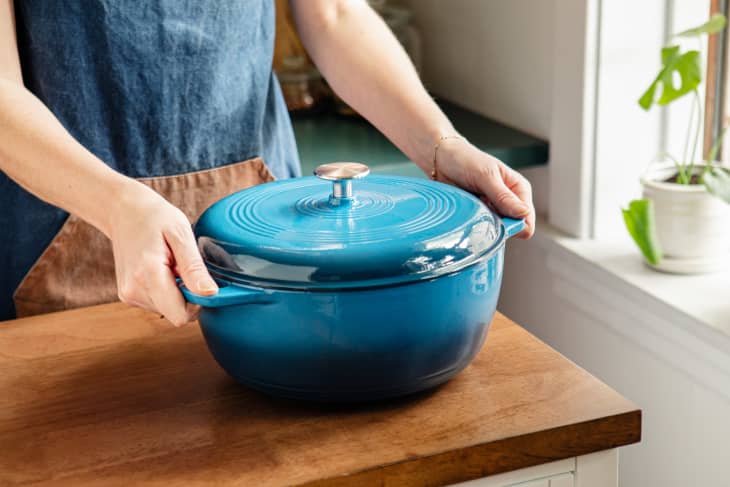
Enameled cast iron offers a glass-like surface that resists staining and doesn't require seasoning. It is ideal for acidic dishes like tomato sauce or wine reductions, which can strip the polymerized oil layer on bare cast iron. However, the enamel can chip if dropped or struck against metal utensils, and the white interiors show stains over time. Brands like Le Creuset and Staub dominate this space with superior enamel formulations and ergonomic handles.
Bare cast iron is the workhorse option. It is virtually indestructible, develops a natural non-stick patina over time, and costs a fraction of the premium brands. The tradeoff is maintenance: it requires hand washing, immediate drying, and occasional oiling to prevent rust. It also reacts with acidic foods, which can impart a metallic taste and discolor the pot. For searing steaks or baking cornbread, bare cast iron is unmatched.
The decision often comes down to how much you value convenience versus longevity and price. If you cook acidic dishes daily and hate maintenance, enameled is the practical choice. If you prioritize durability, budget, and don't mind a bit of care, bare cast iron serves a lifetime of heavy use.
| Feature | Enameled Cast Iron | Bare Cast Iron | Budget Options |
|---|---|---|---|
| Acid Resistance | High | Low | Variable |
| Maintenance | Low (no seasoning) | High (seasoning required) | High (usually bare) |
| Durability | Medium (chips possible) | High | Medium |
| Price Range | $$$ ($150-$300) | $$ ($30-$80) | $ ($20-$50) |
| Best For | Sauces, baking, aesthetics | Searing, frying, outdoors | Casual use, beginners |
Where each option wins
Choosing between enameled and raw cast iron comes down to what you cook most often and how much maintenance you want to handle. Enameled Dutch ovens are the practical choice for acidic foods like tomato sauces, wine braises, and citrus-heavy marinades. The glass-like coating prevents the metallic flavor transfer that raw iron can impart to delicate dishes. They are also easier to clean and don’t require seasoning, making them ideal for busy weeknight cooks who want a "set it and forget it" vessel.
Raw cast iron excels in high-heat searing and slow, dry cooking. If you frequently make crusty breads, roast whole chickens, or fry foods, the bare metal surface develops a natural non-stick patina over time. This seasoning layer improves with use, creating a cooking surface that many chefs prefer for its heat retention and browning capabilities. However, raw iron requires more care: it must be dried immediately after washing to prevent rust and periodically oiled to maintain the protective layer.
For most households, an enameled Dutch oven offers the best balance of versatility and ease. It handles everything from stews to roasts without the risk of staining or rusting. Raw cast iron is a specialized tool best suited for those who enjoy the ritual of seasoning and cooking high-heat meals regularly. If you can only own one, start with enameled.


As an Amazon Associate, we may earn from qualifying purchases.
Details worth checking
The Dutch Oven Buying works best when the purchase path is explicit. Verify the source, compare the offer against real alternatives, check the total cost, and confirm what happens after payment before you decide. After each comparison, write down the one risk that would change your mind. If the seller, condition, support, warranty, shipping, or upkeep still feels uncertain, resolve that question before moving to checkout.
-
Verify the sellerCheck reputation, included details, delivery terms, and return policy before treating the listing as credible.
-
Compare total costAdd shipping, accessories, maintenance, warranty, and likely replacement costs to the listed price.
-
Confirm fitMatch the option to the real use case before paying for features that will not matter.
No comments yet. Be the first to share your thoughts!