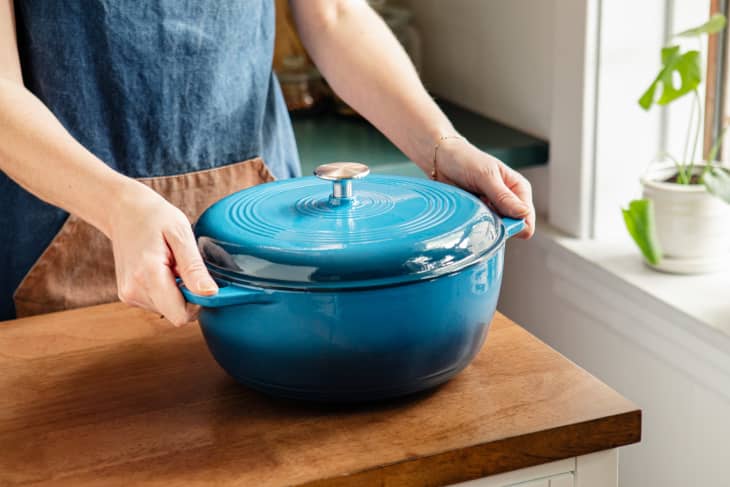

The best dutch oven for most kitchens
If you are looking for the best dutch oven to handle everything from Sunday roasts to no-knead bread, the Le Creuset Signature Enameled Cast-Iron 5½-Quart Round French Oven is the clear winner. It consistently tops testing panels from major reviewers like Wirecutter and Serious Eats because it balances durability with performance. The enamel coating prevents the metallic taste that can sometimes creep into bare cast iron, and the tight-fitting lid traps moisture perfectly for slow-cooking stews.
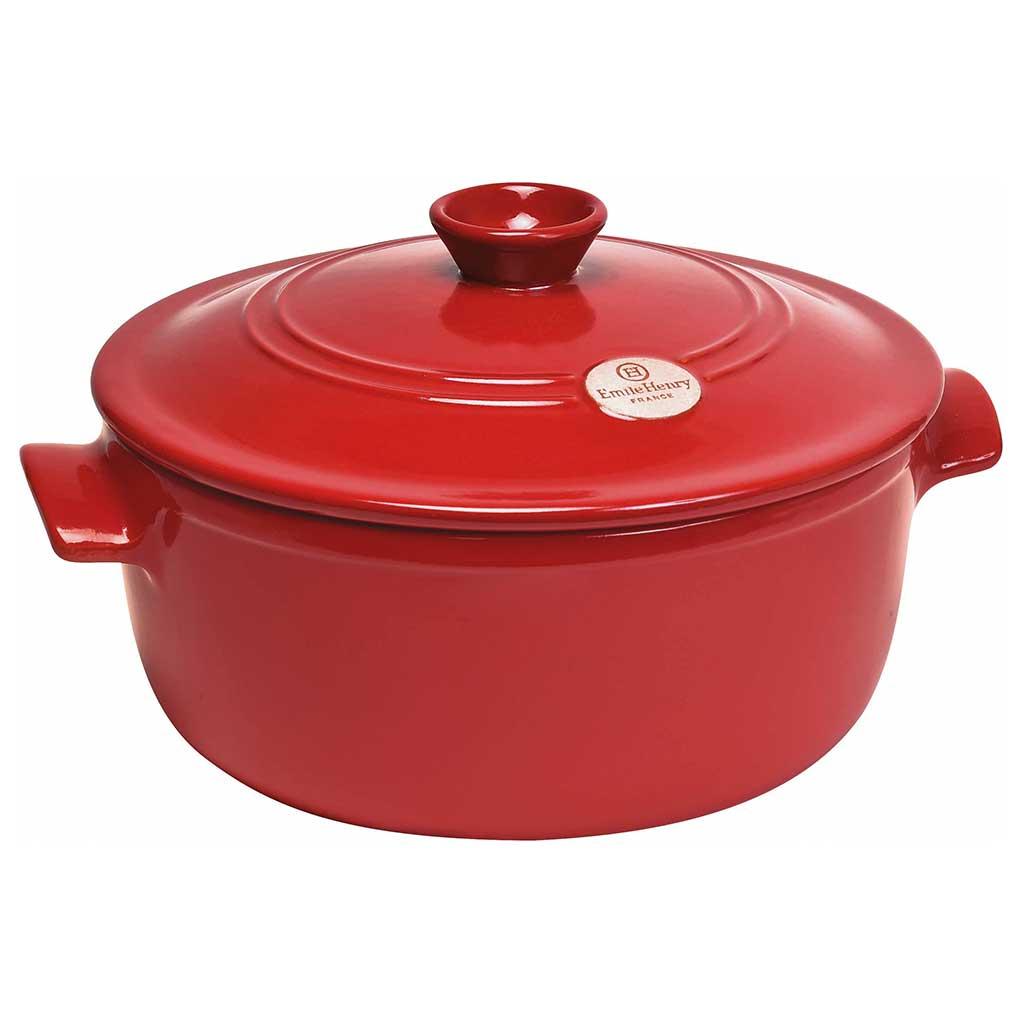
For those who want to save money without sacrificing much performance, the Lodge 6-Quart Essential Enamel Cast Iron Dutch Oven is the best runner-up. It costs significantly less than the Le Creuset and still delivers excellent heat retention. The enamel finish is slightly less refined, but for everyday cooking, it holds its own against the premium options.


As an Amazon Associate, we may earn from qualifying purchases.
Cast iron vs enameled: which fits your cooking
Choosing the best dutch oven often comes down to a simple choice: raw cast iron or enameled cast iron. Both are heavy, durable, and capable of transforming tough cuts of meat into tender meals. The difference lies in how they behave on your stovetop and how much effort you’re willing to put into keeping them in shape.
Raw cast iron is the traditional workhorse. It’s seasoned with oil to create a natural, non-stick surface that improves with every meal. It’s incredibly durable and can go from stovetop to oven to campfire without hesitation. However, it requires regular maintenance. You can’t soak it in soapy water for hours, and acidic foods like tomato sauce can strip the seasoning if left to simmer too long. It’s a tool that demands respect.
Enameled cast iron features a glass-like coating fused to the metal. This makes it non-reactive, meaning you can simmer tomato sauces or wine-based dishes without worrying about metallic flavors or damaging the pot. It’s also easier to clean and doesn’t need seasoning. The trade-off is that the enamel can chip if dropped or struck with metal utensils, and it’s generally more expensive.
To help you decide which type aligns with your cooking habits, here is a direct comparison of their core characteristics.
| Feature | Raw Cast Iron | Enameled Cast Iron |
|---|---|---|
| Maintenance | Requires seasoning and drying | Easy clean, no seasoning |
| Acidic Foods | Can strip seasoning | Safe for tomatoes/wine |
| Durability | Indestructible, lasts generations | Enamel can chip if dropped |
| Non-Stick | Improves with use | Consistent but not non-stick |
| Price Range | $20 - $60 | $150 - $400+ |


As an Amazon Associate, we may earn from qualifying purchases.
Top enameled dutch oven picks for 2026
Use this section to make the Best Dutch Oven decision easier to compare in real life, not just on paper. Start with the reader's actual constraint, then separate must-have requirements from details that are merely nice to have. A practical choice should survive normal use, maintenance, timing, and budget. If a recommendation only works in an ideal situation, call that out plainly and give the reader a fallback path.
The simplest way to use this section is to write down the must-have criteria first, then compare each option against those criteria before weighing nice-to-have features.
Raw cast iron options for seasoned cooks
If you enjoy the ritual of seasoning your cookware and don’t mind the occasional maintenance, raw cast iron remains the most authentic choice for a best dutch oven. These pots are lighter than their enameled counterparts, often costing a fraction of the price, and they develop a natural nonstick patina that improves with every meal. The trade-off is that you need to avoid acidic ingredients like tomatoes or wine until your seasoning layer is well-established, and you must dry them thoroughly to prevent rust.
For everyday use, the Lodge 6-Quart Cast Iron Dutch Oven is a reliable workhorse. It comes pre-seasoned, has a comfortable handle, and performs admirably for braising meats or baking bread. While it isn’t as visually refined as premium brands, its durability and heat retention are unmatched for the price point. If you want a slightly more refined experience without breaking the bank, the Le Creuset Signature Cast Iron Dutch Oven offers superior enamel work and a wider color palette, though it requires a bit more care to keep the finish pristine.


As an Amazon Associate, we may earn from qualifying purchases.
These raw cast iron options are ideal for cooks who view maintenance as part of the process. They offer incredible value and longevity, making them a smart investment for anyone serious about mastering the art of slow cooking.
How to choose the right size and shape
Picking the right best dutch oven starts with two simple questions: how many people eat at your table, and what do you usually cook? A pot that’s too small forces you to cook in batches, while one that’s too large wastes energy and makes flipping ingredients a chore. The goal is to find a vessel that feels comfortable to lift and easy to clean.
Round vs. Oval: Picking the right shape
The shape of your Dutch oven dictates what fits inside and how heat circulates. Round pots are the versatile workhorses of the kitchen. They are ideal for braising chicken, simmering chili, or baking artisan bread because the circular walls allow for even heat distribution and easy stirring. If you buy only one pot, make it round.
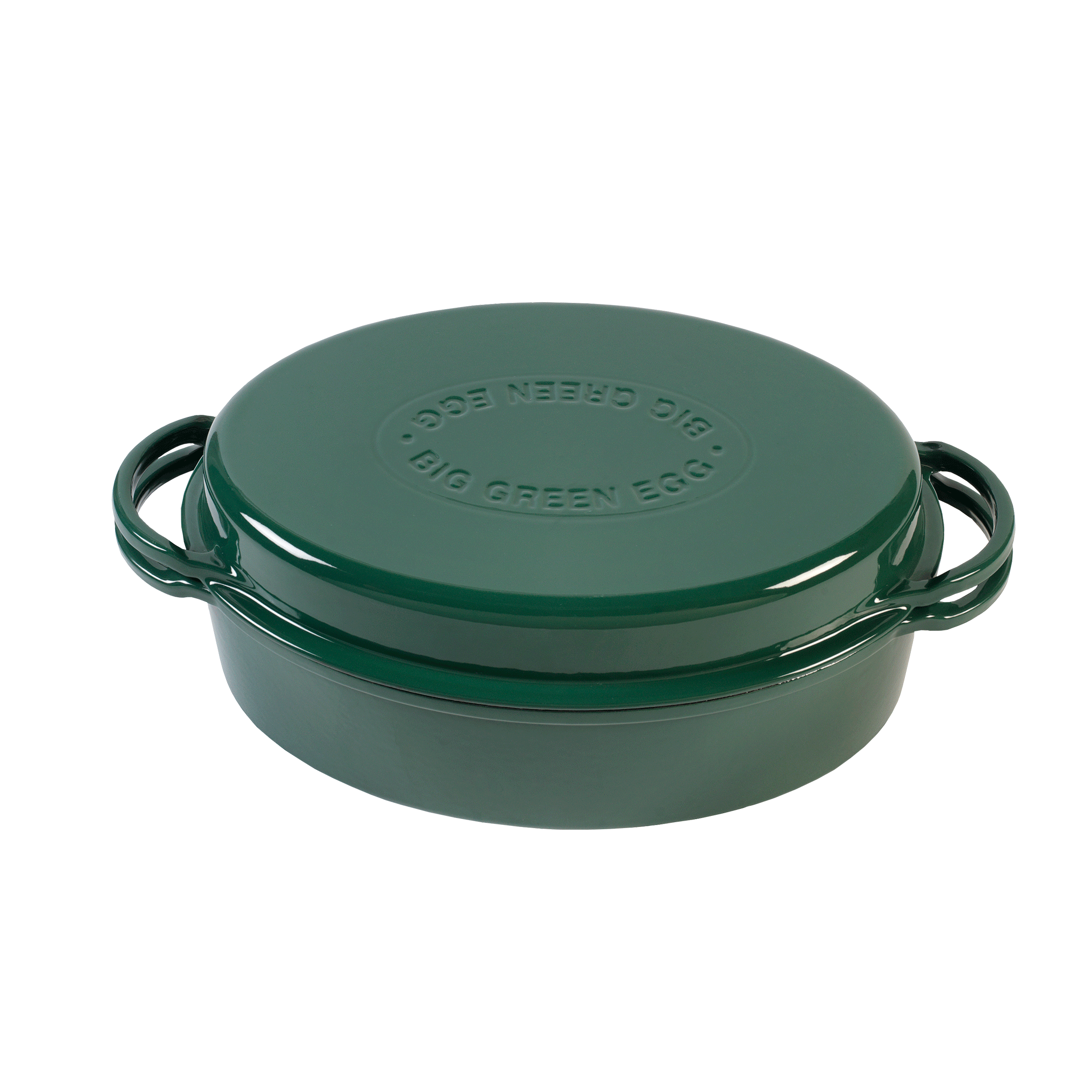
Oval Dutch ovens are specialized tools designed for specific proteins. Their elongated shape is perfect for roasting whole chickens, turkeys, or large cuts of brisket. The extra length allows meat to sit flat without curling, and the narrower width helps concentrate heat around the roast. If you frequently cook large cuts of meat, an oval shape will serve you better than a round one.
Sizing by household
Capacity matters more than you might think. Here is a quick guide to help you decide:
- 1-2 people: A 3-quart pot is perfect for soups, sauces, and small batches of rice.
- 3-4 people: A 5-quart to 6-quart pot is the standard size, handling most weeknight dinners and small roasts.
- 5+ people: Aim for an 8-quart or larger pot to accommodate large batches of stew, pasta, or whole turkeys.
Quick sizing checklist
Before you buy, run through this quick checklist to avoid buyer’s remorse:
-
Does the pot fit comfortably in my oven?
-
Can I lift it easily when full?
-
Is the shape suited for my most common recipes?
-
Does the capacity match my household size?
Once you’ve settled on size and shape, you’re ready to pick a model. Below are some top-rated options that excel in both performance and design.
Common questions about dutch ovens
We get asked a lot about how to care for these heavy pots and whether the premium brands are actually worth the price tag. Here are the most frequent questions from home cooks deciding on the best dutch oven for their kitchen.


As an Amazon Associate, we may earn from qualifying purchases.
No comments yet. Be the first to share your thoughts!