
Our top picks at a glance
Finding the best dutch oven doesn't have to mean spending a fortune. We tested dozens of pots to separate the heavy-duty workhorses from the overpriced novelties. Whether you are searing a ribeye or slow-cooking a stew, the right pot makes a noticeable difference in your results.
Our winner is the Le Creuset Signature Enameled Cast-Iron 5½-Quart Round French Oven. It offers the best balance of heat retention, durability, and ease of cleaning. If you prefer the rustic charm of traditional cast iron, the Lodge 6-Quart Essential Enamel is a close runner-up that costs significantly less.
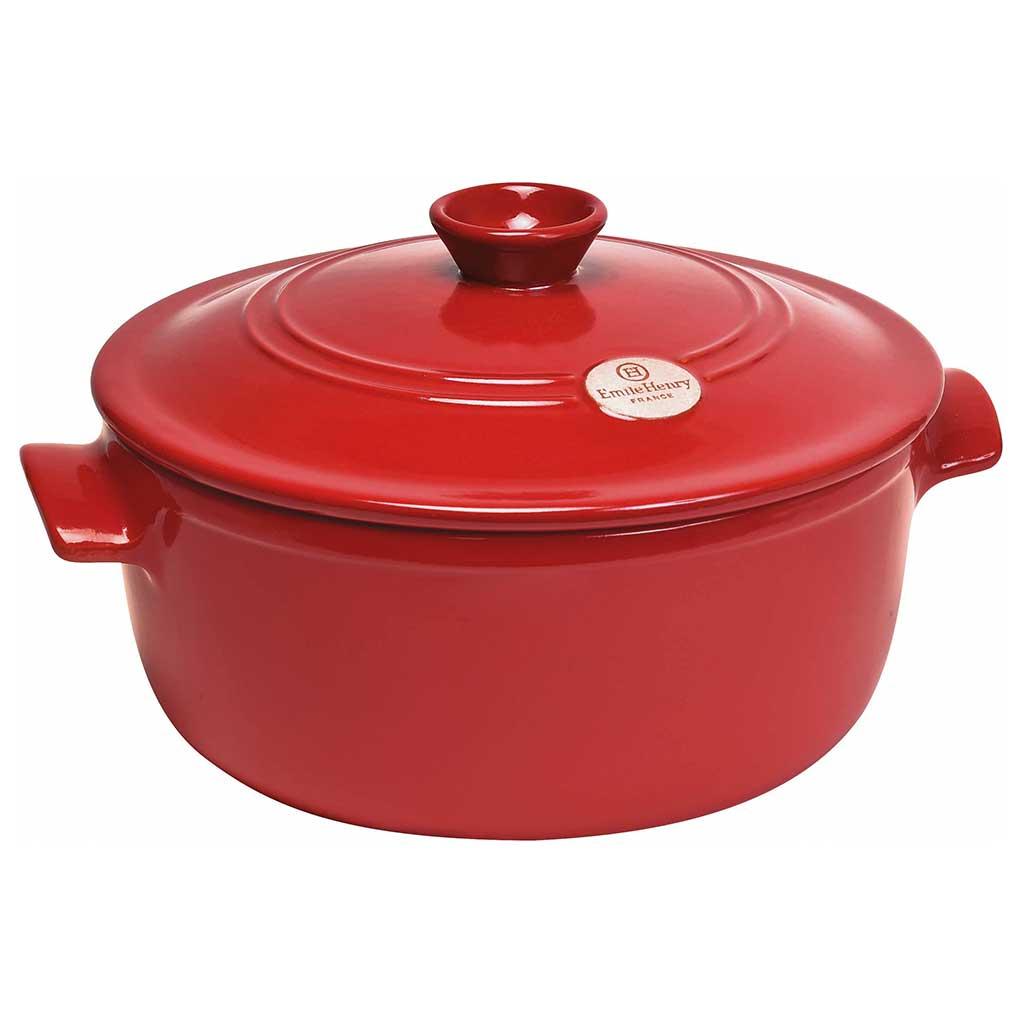
For those on a tighter budget, the Cuisinart Chef's Classic is a solid choice. It handles daily tasks well without the premium price tag of the top contenders. Below is a quick comparison of the three models we recommend most often.
Cast iron vs enameled: which fits your kitchen
Choosing between raw and enameled cast iron comes down to how much maintenance you want and what you cook most often. Both types retain heat brilliantly and last for generations, but their care routines and best uses differ significantly.
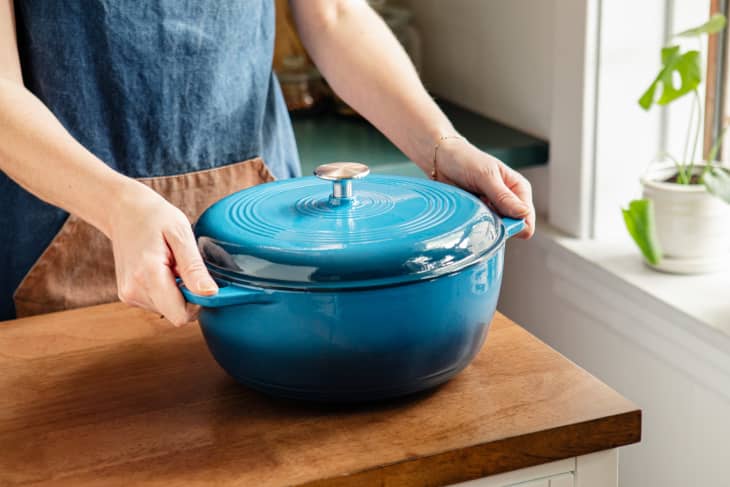
Raw cast iron develops a natural non-stick surface called seasoning over time. This layer improves with use, making it excellent for searing steaks, frying, and baking bread. However, it requires hand-washing and occasional oiling to maintain that patina. If you plan to cook acidic foods like tomato sauce or wine reductions frequently, raw iron can react with the metal, potentially affecting flavor and damaging the seasoning.
Enameled cast iron features a glass-like coating that prevents reactions with acidic ingredients. You can simmer tomato sauces, stews, and curries without worrying about metallic tastes or stripping the surface. The enamel is also non-porous, so you can use mild dish soap and avoid the strict drying and oiling routine. Many home chefs prefer enameled Dutch ovens for their versatility and ease of cleaning, though the coating can chip if subjected to extreme thermal shock or dropped.
Comparison: Raw vs. Enameled Cast Iron
| Feature | Raw Cast Iron | Enameled Cast Iron |
|---|---|---|
| Acidic Food Safety | Avoid prolonged cooking | Safe for tomatoes, wine, vinegar |
| Seasoning | Requires regular oiling | No seasoning needed |
| Cleaning | Hand-wash only, dry immediately | Dishwasher safe (usually) |
| Heat Retention | Excellent | Excellent |
| Weight | Heavy | Heavy |
| Durability | Indestructible (if cared for) | Enamel can chip if dropped |
Both types are excellent additions to any kitchen. If you prioritize low-maintenance cooking and frequent acidic dishes, enameled is the better choice. If you love building a natural non-stick surface and often sear or fry, raw cast iron will serve you well.
Le Creuset: the premium standard
Le Creuset remains the gold standard for enameled cast iron, and for good reason. In extensive testing by Wirecutter and Serious Eats, the Le Creuset Signature 5½-Quart Round Dutch Oven consistently outperformed competitors in searing and stewing tasks. It is widely considered the most durable option available, offering a level of craftsmanship that justifies its position as the top choice for serious home chefs.
The durability of Le Creuset comes from its thick walls and heavy lid, which distribute heat evenly and retain it for long periods. This makes it ideal for slow-cooking tough cuts of meat or simmering rich sauces. The enamel coating is not only beautiful but also practical; it resists chipping and staining better than many cheaper alternatives, keeping the pot looking new for years. The tight-fitting lid traps moisture effectively, ensuring that your food stays tender and flavorful without drying out.
One of the most appealing aspects of Le Creuset is the variety of colors. From classic Flame Orange to subtle Meringue, you can choose a pot that complements your kitchen decor. This aesthetic appeal makes it a popular gift, but the performance backs up the style. The smooth enamel interior allows for easy cleaning, and the handles are designed to be comfortable even when the pot is full of hot food.
The main drawback is the price. Le Creuset is significantly more expensive than brands like Lodge or Cuisinart. However, if you plan to use your Dutch oven frequently and want a piece that will last a lifetime, the investment pays off. It’s not just a cooking tool; it’s a kitchen heirloom that can be passed down through generations.
Staub: the braising specialist
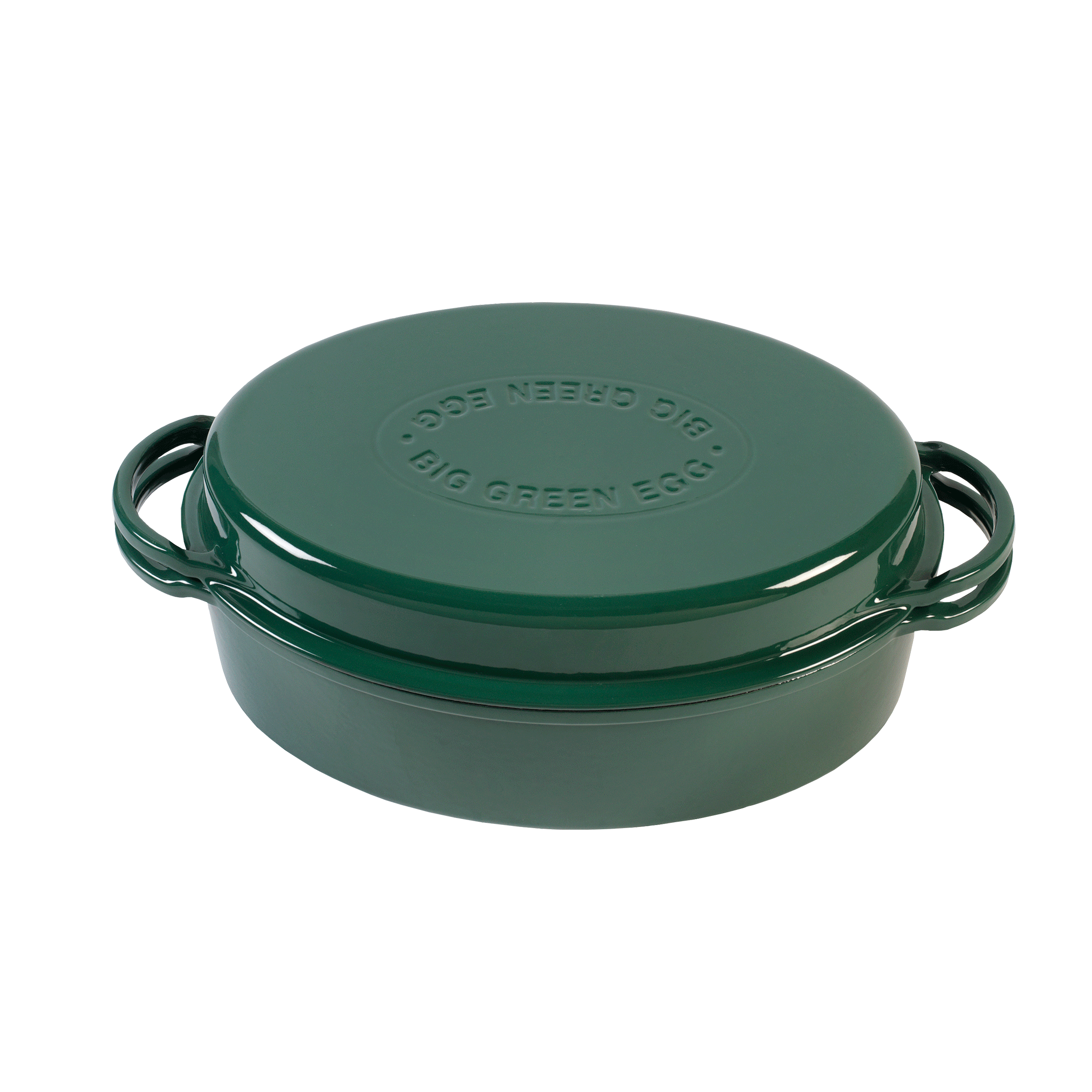
Staub is often the go-to choice for home chefs who love slow-cooking meats and stews. While Le Creuset is famous for its vibrant colors, Staub sets itself apart with a matte black interior enamel. This rougher texture helps food brown more effectively and creates a natural non-stick surface over time. It’s a practical design choice that makes searing and caramelizing easier right in the pot.
The real star of Staub’s design is the self-basting lid. Instead of a smooth surface, the underside of the lid is covered in small, rounded spikes. As steam rises during cooking, it hits these spikes and condenses back into droplets, raining flavorful juices back down over the food. This continuous basting keeps braises moist and intensifies flavors without you having to lift the lid or spoon sauce over the top.
This design makes Staub an excellent choice for hearty dishes like beef bourguignon, pulled pork, or rich vegetable stews. The heavy lid also creates a tighter seal than many competitors, locking in moisture and heat for more consistent results. If your cooking routine involves frequent braising or roasting, Staub’s functional details offer a clear advantage over purely aesthetic options.
Lodge and budget alternatives
You don’t need to spend a fortune to get a dutch oven that performs well. Lodge has dominated the budget segment for years, offering cast iron pots that are rugged, versatile, and incredibly affordable. Their 6-Quart Essential Enamel line is a standout choice for home chefs who want the durability of cast iron without the premium price tag of heritage brands.
Lodge’s enamel options provide a smooth cooking surface that is easier to clean than raw cast iron, making them ideal for acidic dishes like tomato sauces or braised meats. While the enamel coating requires a bit more care to avoid chipping, the performance-to-price ratio is hard to beat for everyday cooking.
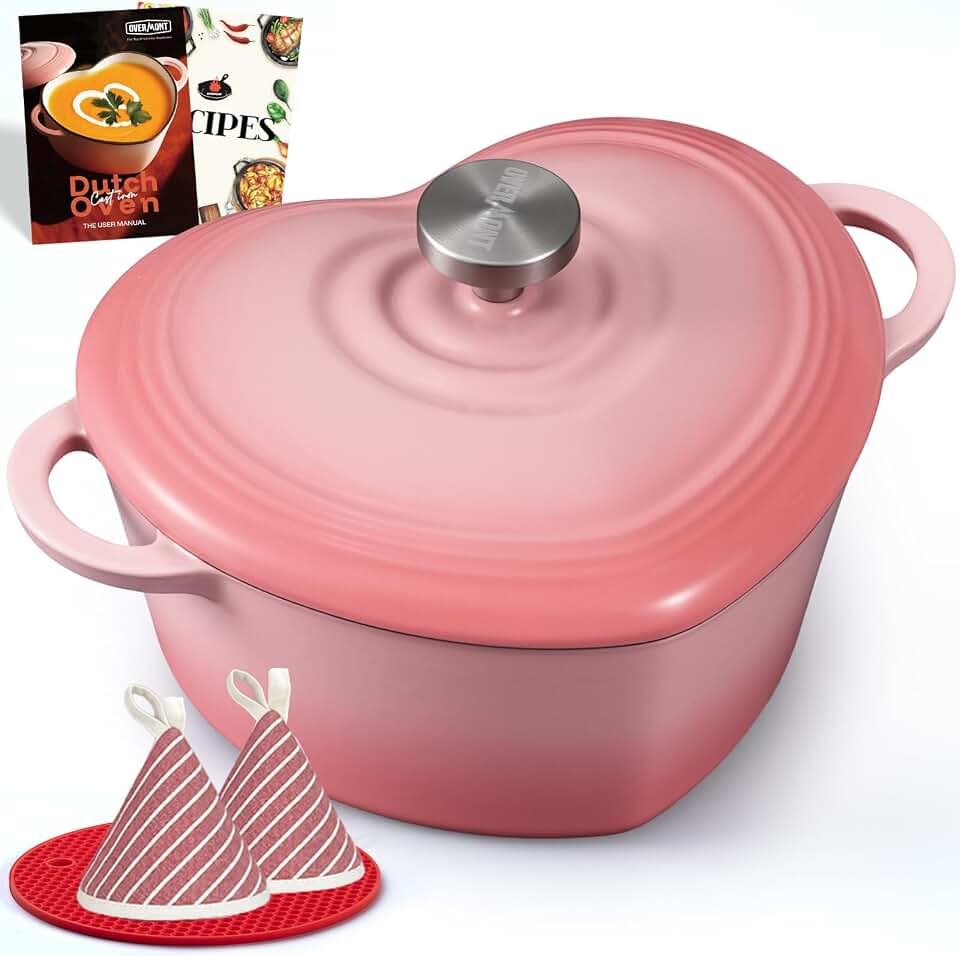
If you are looking for other accessible options, several brands offer quality enamel cast iron at competitive prices. These alternatives often feature similar heat retention and even heating properties, giving you plenty of room to choose based on color, handle design, or specific capacity needs.


As an Amazon Associate, we may earn from qualifying purchases.
How to choose the right size
Selecting the right best dutch oven starts with matching volume to your household. While capacity labels can be misleading, the 5-to-7-quart range serves most home chefs perfectly. It is the sweet spot for cooking two to four people, handling weeknight stews, roasting a whole chicken, or baking artisan bread without taking up excessive pantry space.
If you frequently host dinner parties or cook large batches of soup for freezing, step up to a 9-quart or larger pot. These bigger vessels accommodate more ingredients and keep food warm longer for gatherings. However, for everyday use, a massive oven often means difficult lifting and wasted energy heating empty air.
Use this quick checklist to confirm your ideal fit:
- Couple or small family: Stick to a 5- to 6-quart round or oval oven.
- Family of four: A 7-quart model offers flexibility for larger roasts.
- Entertainers: Choose a 9- to 12-quart pot for batch cooking and crowds.
When in doubt, measure your largest pot currently in use. If you often feel cramped or have to split recipes, upgrading to the next size up is usually the smarter long-term investment.
Common questions about dutch ovens
Choosing the best dutch oven often comes down to brand reputation and specific cooking needs. Here are clear answers to the most frequent questions from home chefs.
What brand of dutch oven is the best?
Le Creuset consistently ranks at the top for enameled cast iron, praised for its durability and even heat distribution. For budget-conscious buyers, Lodge offers the best value, providing reliable performance at a fraction of the price. The "best" brand depends on whether you prioritize long-term investment or immediate affordability.
What dutch oven does America's Test Kitchen recommend?
America's Test Kitchen frequently highlights the Le Creuset Signature Enameled Cast-Iron Round French Oven as the top performer. They note its superior enamel finish and consistent heating. However, they also recommend the Lodge 6-Quart Essential Enamel Cast Iron Dutch Oven as a strong, affordable alternative that performs nearly as well in everyday tests.
Is there a better brand than Le Creuset?
While Le Creuset is the industry standard for premium enameled cast iron, Staub is a close competitor. Staub’s black enamel interior retains heat slightly better and its self-basting lid design is excellent for braising. For unenameled cast iron, Lodge remains the dominant choice for durability and price, making it hard to beat for basic, rugged cooking.
Which dutch oven is the best?
For most home cooks, the Le Creuset 5.5-Quart Round Dutch Oven is the best overall choice due to its versatility and longevity. If you prefer raw cast iron for seasoning and high-heat searing, the Lodge 6-Quart Cast Iron Dutch Oven is the best alternative. Both are excellent picks, but the final decision should hinge on your budget and maintenance preferences.
No comments yet. Be the first to share your thoughts!