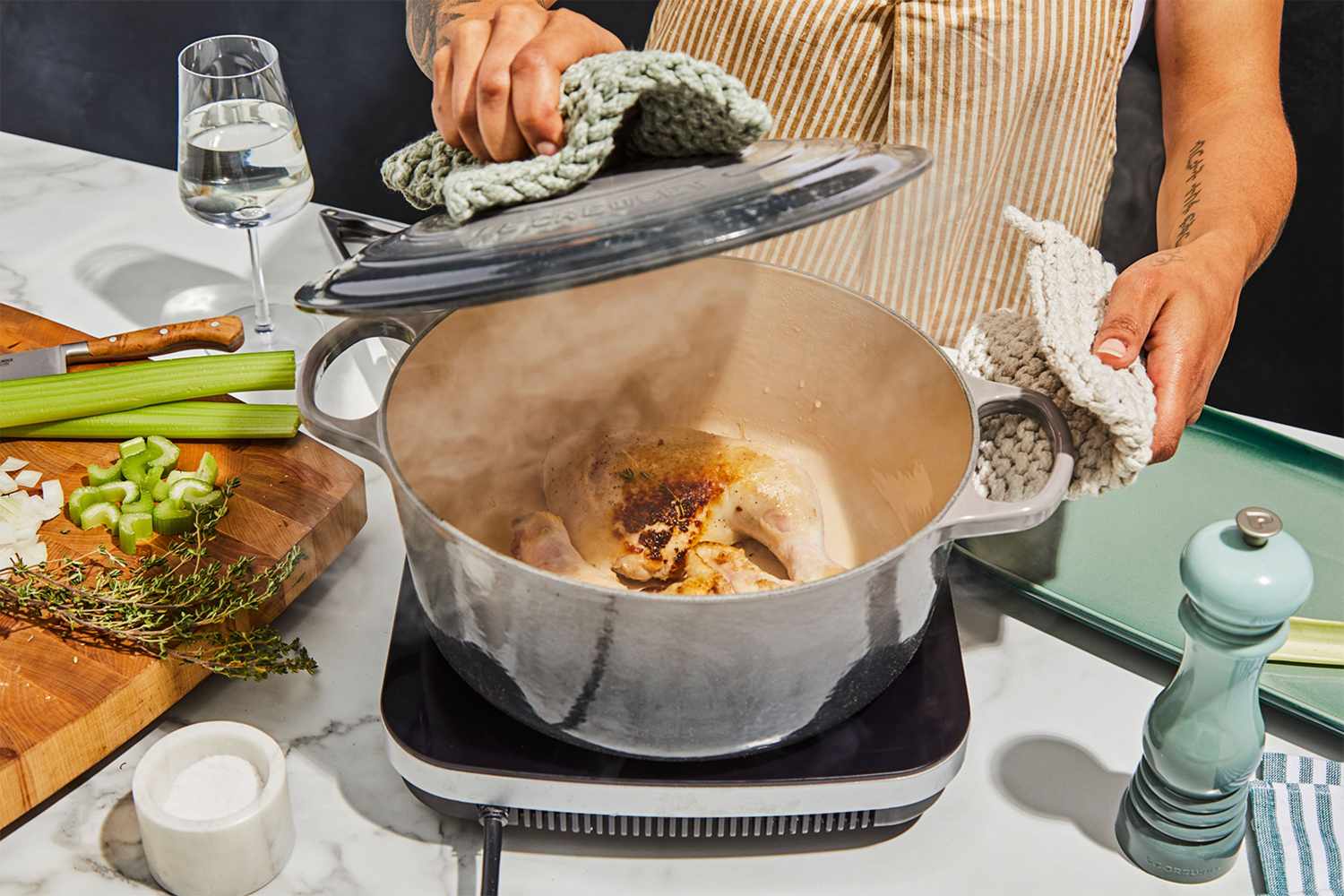

Dutch oven choices that change the plan
Choosing between cast iron and enameled cast iron isn't just about price; it is about how you actually use the pot. The decision hinges on three variables: maintenance tolerance, acidity handling, and thermal shock resistance. Understanding these tradeoffs helps you pick the right tool for your kitchen habits rather than just the most popular brand.
Maintenance and Ease of Use
Enameled cast iron offers a smooth, glass-like surface that resists sticking and is dishwasher safe. This makes it ideal for quick weeknight meals where cleanup speed matters. You can cook acidic ingredients like tomato sauce or wine reductions without worrying about stripping the seasoning or imparting a metallic taste. However, the enamel can chip if dropped or struck with metal utensils, requiring careful handling to preserve its appearance and function.
Raw cast iron requires seasoning—a layer of polymerized oil that creates a natural non-stick surface. It demands more attention: hand washing, drying immediately, and occasional oiling to prevent rust. The upside is that the seasoning improves with use, becoming slicker over time. Raw iron is also generally more affordable and can be repaired indefinitely by re-seasoning, making it a durable choice for heavy, daily use.
Thermal Performance and Durability
Both types retain heat exceptionally well, but they react differently to temperature changes. Raw cast iron is incredibly durable and can withstand high heat for searing or open-flame cooking. It is less prone to chipping and can last for generations with minimal care. Enameled versions, while still robust, are more susceptible to thermal shock. Sudden temperature changes, such as placing a hot pot in cold water, can crack the enamel coating.
Cost and Longevity
High-end enameled options like Le Creuset or Staub command a premium price due to their craftsmanship and aesthetic appeal. They are often seen as heirloom pieces. Raw cast iron, particularly from brands like Lodge, offers similar performance at a fraction of the cost. While the initial look may not be as polished, raw iron’s longevity and repairability make it a practical investment for budget-conscious home bakers.
| Feature | Enameled Cast Iron | Raw Cast Iron | Best Use Case |
|---|---|---|---|
| Maintenance | Low (dishwasher safe) | High (hand wash, dry, oil) | Quick cleanup |
| Acidic Foods | Safe | Not recommended | Tomato sauces, wine |
| Durability | Chips if dropped | Nearly indestructible | Heavy daily use |
| Price Range | $150–$400 | $20–$60 | Budget or premium |
| Heat Tolerance | Moderate (avoid shock) | High (searing, fire) | Searing, roasting |
The right choice depends on your priority. If you value convenience and cook acidic dishes often, enameled is the better fit. If you prefer durability, high-heat searing, and don’t mind routine maintenance, raw cast iron is the practical winner.
Where each option wins
Choosing between cast iron and enameled Dutch ovens comes down to how you actually use them in your kitchen. Neither material is universally superior; each has distinct strengths depending on your cooking habits, maintenance preferences, and budget. Understanding these tradeoffs helps you pick the right tool for your specific needs rather than just following trends.
Best for high-heat searing and rustic cooking
Raw cast iron excels at high-heat tasks like searing steaks, frying chicken, or baking artisan bread. The bare metal surface develops a natural non-stick patina over time, improving with use. It handles thermal shock better than enameled versions and can go from stovetop to open fire without worry. However, it requires seasoning and regular maintenance to prevent rust.
Best for acidic sauces and easy cleanup
Enameled cast iron shines when cooking tomato-based sauces, wine reductions, or other acidic dishes. The glass-like coating prevents metallic tastes and doesn’t react with acids, making it ideal for long-simmering stews and braises. The smooth interior wipes clean easily without scrubbing or re-seasoning. While more expensive upfront, it offers a low-maintenance option for daily use.
Best for beginners and visual presentation
Enameled Dutch ovens are often preferred by new cooks because they’re forgiving and require no special care. The vibrant colors and glossy finish also make them attractive for serving directly at the table. Cast iron, while durable, requires more attention and can be intimidating for those unfamiliar with seasoning techniques. If you value aesthetics and convenience, enameled is the smarter choice.


As an Amazon Associate, we may earn from qualifying purchases.
Details worth checking
The Dutch Oven Buying works best when the purchase path is explicit. Verify the source, compare the offer against real alternatives, check the total cost, and confirm what happens after payment before you decide. After each comparison, write down the one risk that would change your mind. If the seller, condition, support, warranty, shipping, or upkeep still feels uncertain, resolve that question before moving to checkout.
-
Verify the sellerCheck reputation, included details, delivery terms, and return policy before treating the listing as credible.
-
Compare total costAdd shipping, accessories, maintenance, warranty, and likely replacement costs to the listed price.
-
Confirm fitMatch the option to the real use case before paying for features that will not matter.
Dutch oven: what to check next
Choosing between enameled and raw cast iron often comes down to maintenance preferences and budget. While premium brands dominate the high end, affordable options have closed the performance gap significantly. Below are answers to the most common questions about selecting the right Dutch oven for home baking and cooking.
No comments yet. Be the first to share your thoughts!