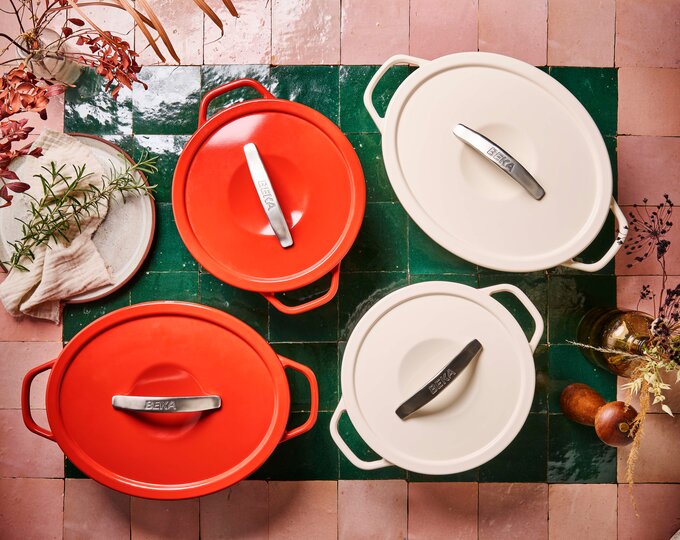

Dutch oven choices that change the plan
Choosing between cast iron and enameled options isn't just about price; it's about how you plan to use the pot. Both types excel at slow cooking, but their surface treatments change how they interact with food and maintenance routines. Understanding these differences helps you pick the right tool for your kitchen habits.
Enameled cast iron: Low maintenance, high cost
Enameled Dutch ovens feature a glass-like coating fused to the cast iron. This makes them non-reactive, meaning you can safely cook acidic foods like tomato sauce or wine-based braises without worrying about metallic tastes or damaging the seasoning. The smooth interior is incredibly easy to clean and doesn't require seasoning.
However, enamel is brittle. Dropping a heavy lid or striking the pot against a hard surface can chip the coating, exposing the iron underneath to rust. High-end brands like Le Creuset and Staub offer superior durability and heat retention, but they come with a steep price tag. If you drop a $300 pot, the emotional and financial cost is significant.
Bare cast iron: Durable, non-stick, high effort
Bare cast iron relies on polymerized oil layers for its non-stick surface. Over time, this seasoning becomes more effective, creating a natural release that rivals synthetic non-stick coatings. It is virtually indestructible and can handle extreme heat, making it ideal for searing steaks or baking rustic breads directly in the oven.
The tradeoff is maintenance. You must season bare iron regularly and avoid prolonged contact with acidic foods, which can strip the seasoning and leach iron into your food. Cleaning requires care; harsh soaps and dishwashers are off-limits. While brands like Lodge offer excellent value, the learning curve for proper care is steeper than with enameled options.
Comparison table
| Feature | Enameled | Bare Cast Iron |
|---|---|---|
Which should you choose?
If you cook acidic dishes frequently or want a pot that requires minimal upkeep, enameled is the better choice. The convenience of easy cleaning and dishwasher safety often justifies the higher cost for home bakers who value versatility.
If you prioritize durability, searing power, and budget, bare cast iron is superior. It will last generations if cared for properly and offers a superior non-stick surface for bread and meats. For most home bakers, starting with a mid-range enameled pot like the Lodge Essential Enamel provides a balanced entry point.
Where each option wins
Dutch Oven Buying works best when the purchase path is explicit. Verify the source, compare the offer against real alternatives, check the total cost, and confirm what happens after payment before you decide. After each comparison, write down the one risk that would change your mind. If the seller, condition, support, warranty, shipping, or upkeep still feels uncertain, resolve that question before moving to checkout.
The simplest way to use this section is to verify the seller, compare the total cost, and resolve the biggest risk before you commit.
Details worth checking
Before you buy, verify a few specific details that separate a durable heirloom from a fragile disappointment. The difference between a $40 Lodge and a $400 Le Creuset isn't just branding; it's in the manufacturing tolerances and material composition.
Check the lid fit and weight. A heavy lid traps steam for better bread crusts, but it must sit flat. If the rim is uneven or the knob feels wobbly, heat escapes and your baking fails. Lift the pot; if it feels unbalanced, the handle attachment is likely weak.
Inspect the enamel for chips and bubbles. High-quality enamel should be smooth and consistent. Run your finger along the rim and interior; rough spots or visible pinholes indicate thin coating that will chip during thermal shock. Avoid any pot with visible cracks, even hairline ones, as they compromise the iron underneath.
Verify the knob material and temperature rating. Most metal knobs are oven-safe to 500°F, but some enameled brands use phenolic (plastic) knobs that melt at 350-400°F. If you plan to bake sourdough at high temperatures, ensure the knob is metal or rated for your oven's max heat. Some brands offer swap-out metal knobs for an extra fee.
Confirm the handle design and grip. Look for handles that are thick enough to grip without oven mitts for short transfers. If the handles are thin or sharp-edged, you'll need heavy protection every time. Check that the loop handles are securely riveted or cast as one piece with the body.
Read the warranty terms carefully. Le Creuset offers a lifetime warranty against manufacturing defects, but it excludes chipping from misuse. Lodge provides a limited warranty that is often harder to claim. Understand what "defect" means to the manufacturer; thermal shock damage is rarely covered.
Dutch oven: what to check next
Before buying a new pot, it helps to know which brand fits your budget and cooking style. The market is split between premium enameled options and rugged, uncoated cast iron. Here are the answers to the most common questions home bakers ask.
Helpful gear
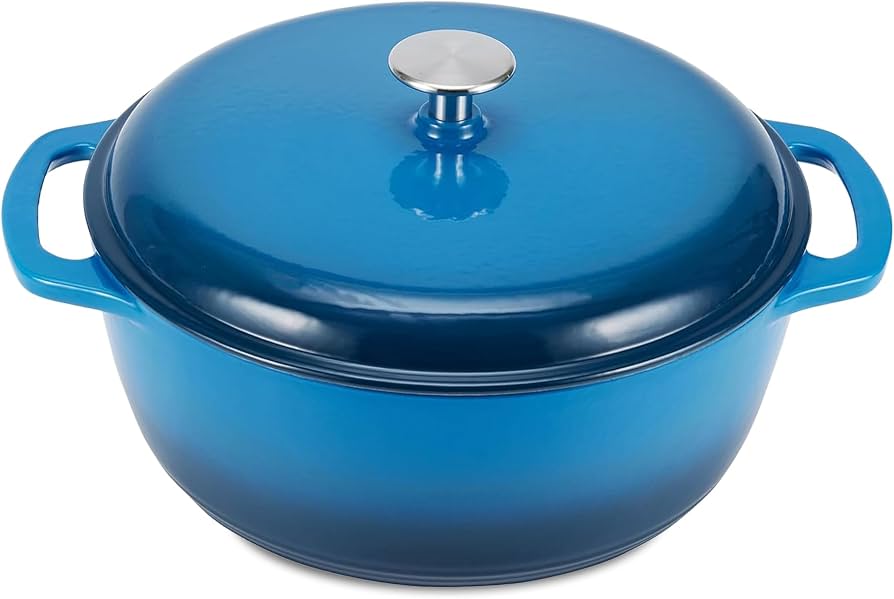
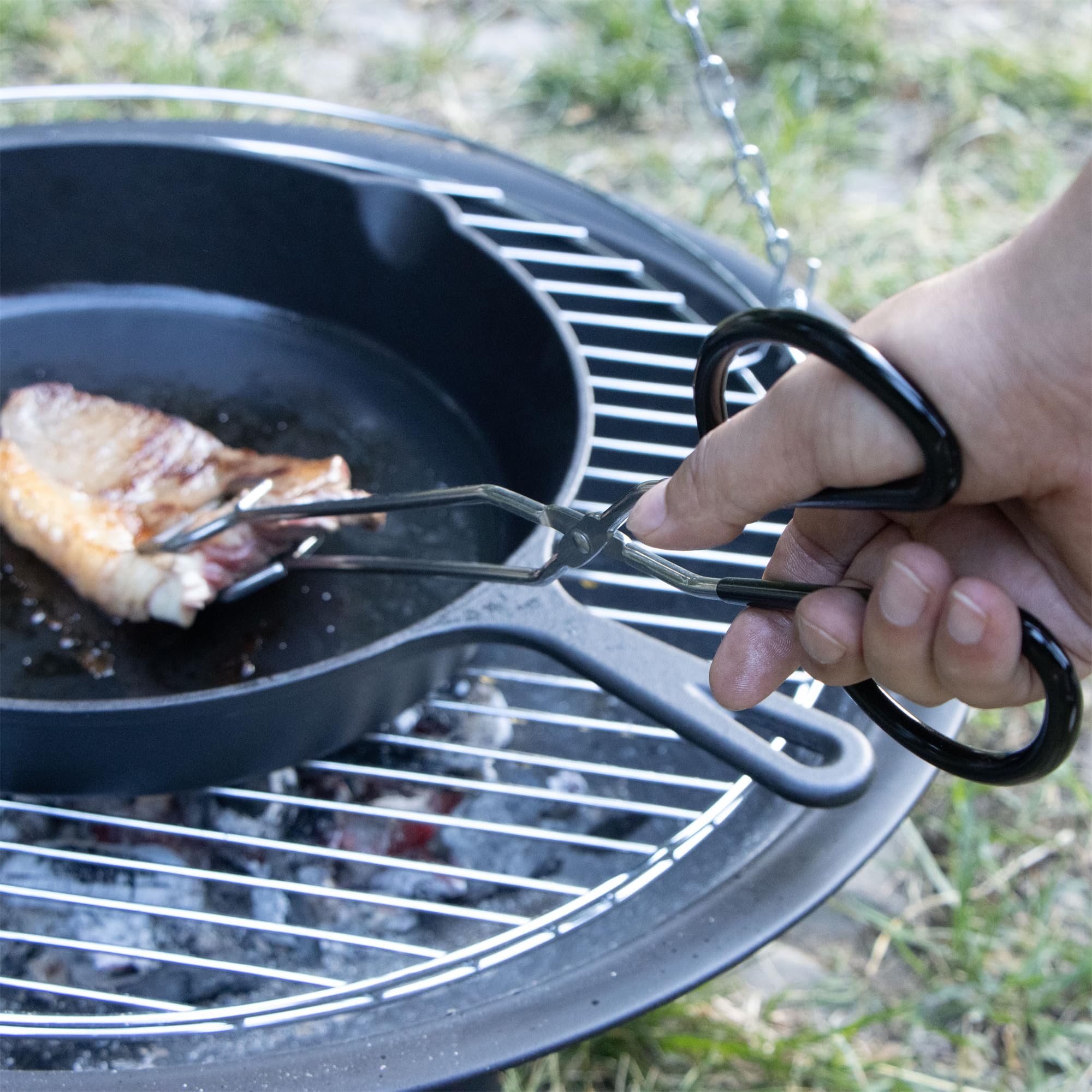
Use these product recommendations as a starting point, then choose the size, material, and price point that fit how you actually use the gear.

As an Amazon Associate, we may earn from qualifying purchases.
No comments yet. Be the first to share your thoughts!